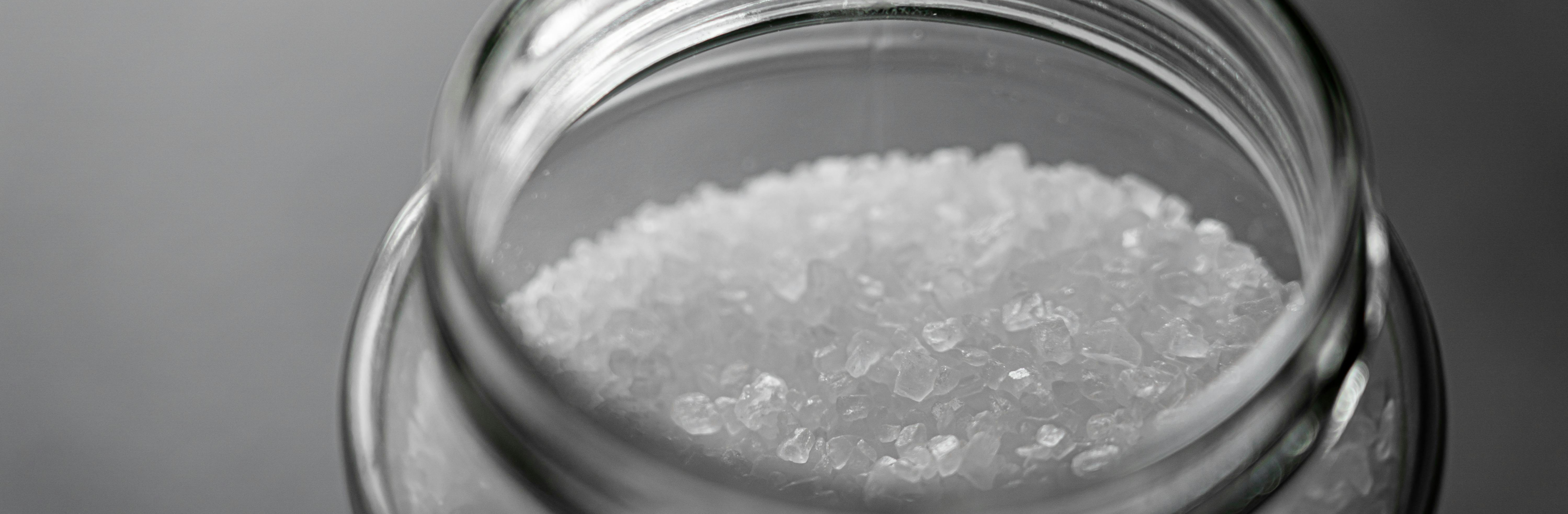
Reading nutrition labels can help you eat less salt and protect your blood pressure. Many foods have more sodium than we expect. Knowing how to read labels makes it easier to choose healthier foods.
Why Sodium Matters
Sodium is a type of salt. Too much sodium can:
- Raise blood pressure
- Make the heart work harder
- Increase the risk of heart disease and stroke
Most sodium comes from packaged and restaurant foods, not from the salt shaker.
Where to Find Sodium on the Label
On a food package, look for the Nutrition Facts label. Find the line that says sodium. It is listed in milligrams (mg).
Check the Serving Size First
Always look at the serving size at the top of the label.
If you eat more than one serving, you are eating more sodium than the label shows.
Example:
- 1 serving = 500 mg sodium
- 2 servings = 1,000 mg sodium
What Is a High or Low Amount?
A simple guide:
- Low sodium: 140 mg or less per serving
- High sodium: 400 mg or more per serving
Choosing lower numbers helps protect blood pressure.
Words to Watch For
Some label words can be confusing.
- “Low sodium” means the food has less sodium
- “Reduced sodium” means it has less sodium than the regular version, but it may still be high
- “No salt added” does not always mean low sodium
Always check the number on the label.
Hidden Sodium Ingredients
Sodium may appear in ingredients like:
- Salt
- Sodium chloride
- Baking soda
- Monosodium glutamate (MSG)
These add to total sodium intake.
Tips for Smarter Choices
To lower sodium:
- Compare labels and choose lower numbers
- Pick fresh foods when possible
- Rinse canned foods
- Limit sauces, soups, and packaged meals
Small changes can make a big difference.
Reading nutrition labels helps you control how much sodium you eat. Checking serving size and sodium numbers can protect your blood pressure and heart. Choosing lower-sodium foods is a healthy habit.
References
- American Heart Association. (2024). Understanding food labels and sodium. https://www.heart.org/
- Centers for Disease Control and Prevention. (2023). Sodium in foods. https://www.cdc.gov/salt/
- Food and Drug Administration. (2023). How to understand and use the Nutrition Facts label. https://www.fda.gov/
- Mayo Clinic. (2024). Sodium and food labels. https://www.mayoclinic.org/
*This content is intended for general information purposes only. It is not intended to be relied upon and is not a substitute for professional health, legal, tax, investment, or financial advice based on your individual conditions and circumstances.


