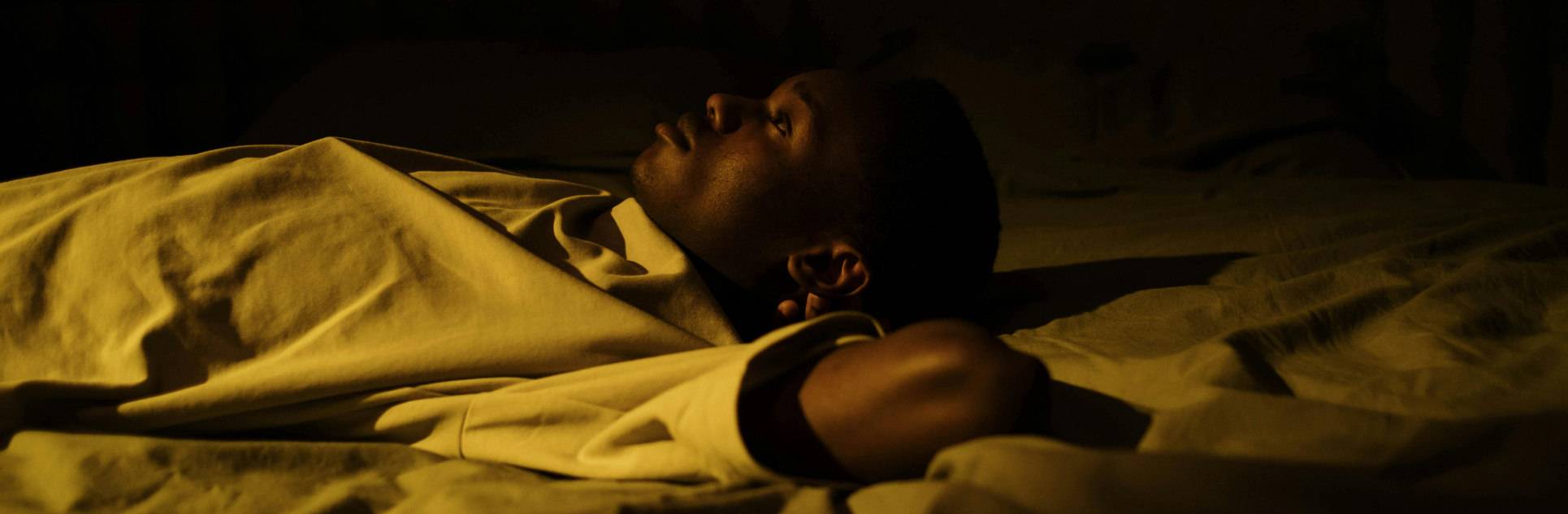
Anxiety and sleep affect each other in powerful ways. When one gets worse, the other often does too. This can create a cycle that feels hard to break. Learning how anxiety and sleep are linked is an important step toward improving both rest and mental health.
How Anxiety Disrupts Sleep
Anxiety activates the body’s alert system, making it hard to relax at night. When the world gets quiet, worries can feel louder. Racing thoughts, muscle tension, and fear of not sleeping are common for people who feel anxious.
Anxiety can affect sleep by:
- Making it hard to fall asleep because of constant worry or overthinking.
- Causing light, broken sleep or frequent awakenings.
- Triggering physical feelings like a fast heartbeat or sweating that prevent deep rest.
- Creating fear about sleep itself, such as worrying, “What if I can’t fall asleep?”
How Poor Sleep Increases Anxiety
The link goes both ways. Poor sleep can raise anxiety levels and make it harder to cope with daily stress. When the brain is tired, it struggles to control emotions or think clearly.
Lack of sleep can lead to:
- More stress and stronger reactions to small problems.
- Difficulty handling emotions or staying calm.
- Physical fatigue that increases negative thoughts.
- Changes in how the brain manages fear and alertness.
Why This Cycle Matters
Anxiety makes sleep harder, and poor sleep increases anxiety — creating a repeating loop. Over time, this can affect mood, focus, and overall health. Many people with anxiety disorders also report poor sleep, showing how deeply connected the two are. Breaking the cycle can bring relief and better wellbeing.
Simple Ways to Improve Sleep and Calm Anxiety
Small, steady changes can help both sleep and anxiety. Try these tips:
- Keep a steady sleep schedule. Go to bed and wake up around the same time each day.
- Create a calm bedtime routine. Dim lights, avoid screens, and do something relaxing before bed.
- Use relaxation techniques. Slow breathing, gentle stretches, or calming music can help.
- Write down worries earlier in the day. This helps clear your mind before bedtime.
- Make your sleep space peaceful. Keep the room cool, dark, and quiet.
- Avoid caffeine or nicotine close to bedtime. These can make it harder to fall asleep.
- Reach out for help if needed. Therapy and professional care can treat both anxiety and sleep problems.
A Healthier Balance
Because anxiety and sleep are connected, improving one often helps the other. By caring for both body and mind, using healthy routines, and seeking help when needed, it’s possible to rest better and feel calmer. Even small changes can start to rebuild a more peaceful rhythm for sleep and daily life.
References
- American Psychological Association. (n.d.). Anxiety and sleep problems. Retrieved from [https://www.apa.org/topics/anxiety/sleep](https://www.apa.org/topics/anxiety/sleep)
- Cleveland Clinic. (2024). Sleep anxiety: What it is and how to cope. Retrieved from [https://my.clevelandclinic.org/health/diseases/21543-sleep-anxiety](https://my.clevelandclinic.org/health/diseases/21543-sleep-anxiety)
- Harvard Health Publishing. (2024). How anxiety affects sleep—and how to sleep better. Retrieved from [https://www.health.harvard.edu/mind-and-mood/how-anxiety-affects-sleep-and-how-to-sleep-better](https://www.health.harvard.edu/mind-and-mood/how-anxiety-affects-sleep-and-how-to-sleep-better)
- Mayo Clinic. (2025, July 11). Anxiety disorders: Symptoms and causes. Retrieved from [https://www.mayoclinic.org/diseases-conditions/anxiety/symptoms-causes/syc-20350961](https://www.mayoclinic.org/diseases-conditions/anxiety/symptoms-causes/syc-20350961)
- National Institute of Mental Health. (n.d.). Anxiety disorders. Retrieved from [https://www.nimh.nih.gov/health/topics/anxiety-disorders](https://www.nimh.nih.gov/health/topics/anxiety-disorders)
- Sleep Foundation. (2024). Anxiety and sleep. Retrieved from [https://www.sleepfoundation.org/mental-health/anxiety-and-sleep](https://www.sleepfoundation.org/mental-health/anxiety-and-sleep)
- PubMed Central. (2023). The bidirectional relationship between sleep and anxiety: A review. *Frontiers in Psychology, 14*, Article 10002427. Retrieved from [https://pmc.ncbi.nlm.nih.gov/articles/PMC10002427/](https://pmc.ncbi.nlm.nih.gov/articles/PMC10002427/)
- Stanford Medicine. (2025, August). The connection between sleep and mental health. Retrieved from [https://med.stanford.edu/news/insights/2025/08/sleep-mental-health-connection-what-science-says.html](https://med.stanford.edu/news/insights/2025/08/sleep-mental-health-connection-what-science-says.html)
- WebMD. (2024). Anxiety vs. insomnia: How they’re connected. Retrieved from [https://www.webmd.com/sleep-disorders/anxiety-vs-insomnia](https://www.webmd.com/sleep-disorders/anxiety-vs-insomnia)
*This content is intended for general information purposes only. It is not intended to be relied upon and is not a substitute for professional health, legal, tax, investment, or financial advice based on your individual conditions and circumstances.


