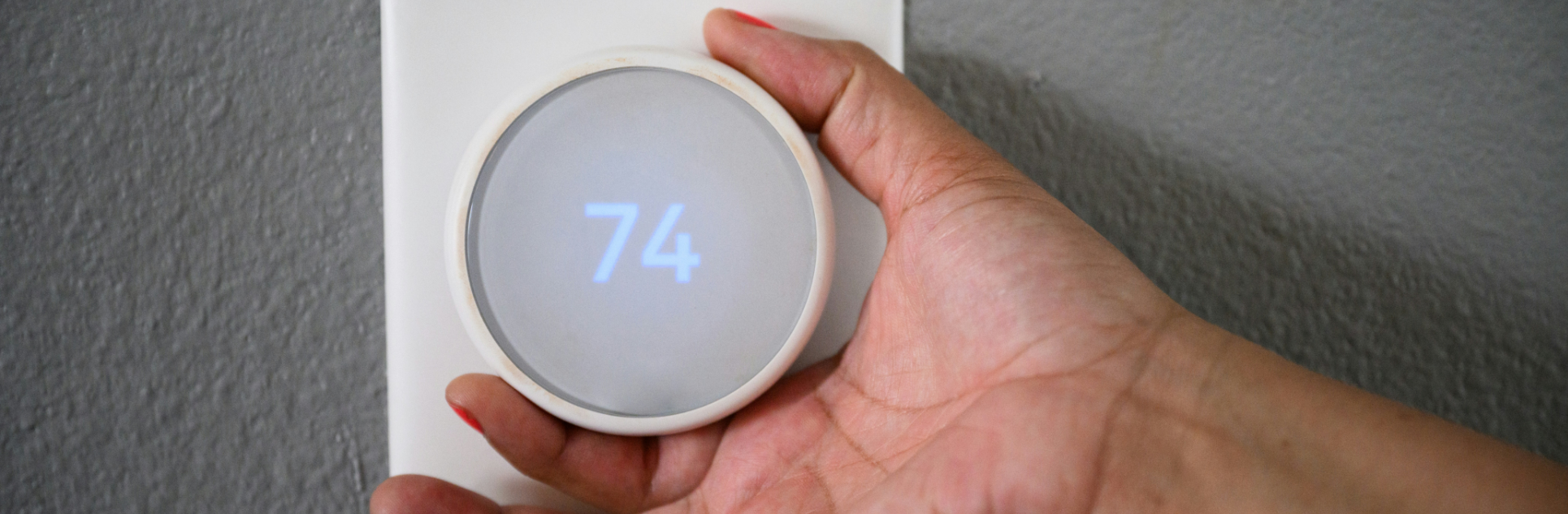
Reducing energy use at home can lower bills and help the environment. Small daily habits can make a big difference. With a few simple steps, anyone can make their home more efficient and comfortable.
Focus on Heating and Cooling
Heating and cooling often account for the most energy use in a home. A few small changes can help reduce waste:
- Adjust the thermostat: Lower it a little in winter and raise it in summer. Even small changes can save energy.
- Seal gaps: Close cracks around doors and windows. Add insulation if possible to keep warm or cool air inside.
- Use ceiling fans: Fans help move air and can make a room feel more comfortable.
- Maintain your system: Clean or replace air filters and schedule regular checkups.
Use Energy-Efficient Appliances
Newer appliances often use less energy than older ones. When it is time to replace something, choosing an energy-efficient model can help.
Examples include:
- Refrigerators and washing machines that use less electricity
- LED bulbs that last longer and use less energy
- Power strips that turn off electronics when not in use
- Dishwashers and stoves designed to save energy
These upgrades may cost more at first, but they can help lower bills over time.
Save Energy in Daily Routines
Small habits help lower energy use each day:
- Turn off the lights when you leave a room
- Unplug chargers and devices when they are not in use
- Wash clothes in cold water when possible
- Line-dry clothes instead of using a dryer
- Run dishwashers and washing machines only when they are full
These steps take little effort but can add up to big savings.
Use Natural Light and Heat
Nature can help light and warm your home at no cost:
- Open blinds during the day to let in sunlight
- In summer, close curtains during the hottest hours to keep rooms cool
- In winter, let sunlight warm your home during the day
- If possible, look into solar panels or community solar programs
These habits can lower energy use and improve comfort.
Building Lasting Habits
Energy savings start with small, steady changes. By paying attention to how your home uses energy and making thoughtful choices, you can reduce waste, save money, and support a healthier planet.
References
- United States Department of Energy. (2024). Energy saver guide: Tips for saving money and energy at home. Retrieved from https://www.energy.gov/energysaver/energy-saver
- Environmental Protection Agency. (2024). Reduce energy use in your home. Retrieved from https://www.epa.gov/greenhomes/reduce-energy-use-your-home
- World Wildlife Fund. (2024). Easy ways to save energy at home. Retrieved from https://www.worldwildlife.org/pages/10-ways-to-save-energy-at-home
- Harvard Sustainability. (2024). How to improve household energy efficiency. Retrieved from https://green.harvard.edu/tools-resources/how/improve-home-energy-efficiency
- National Geographic. (2024). How to reduce energy use at home. Retrieved from https://www.nationalgeographic.com/environment/article/how-to-reduce-energy-use-at-home
*This content is intended for general information purposes only. It is not intended to be relied upon and is not a substitute for professional health, legal, tax, investment, or financial advice based on your individual conditions and circumstances.


