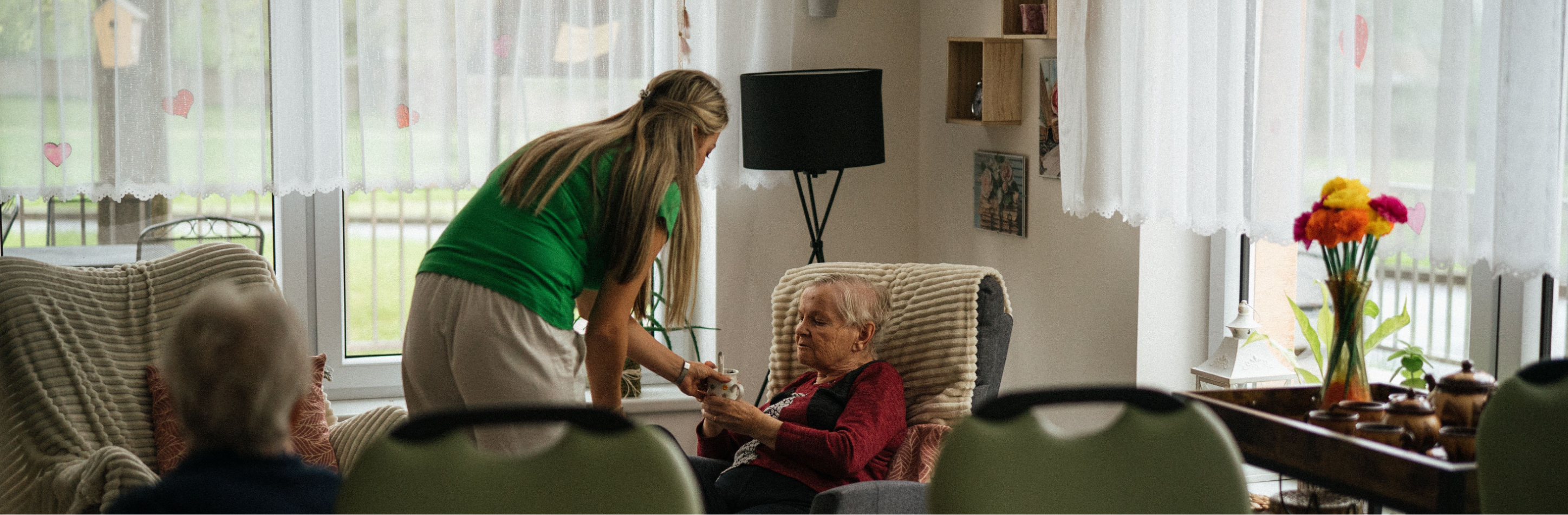
After a stroke, life can change in many ways. Recovery takes time, patience, and care. Helping someone after a stroke can be challenging, but it can also be very rewarding. Your love and support make a big difference. You might help with daily tasks or simply spend time together. Being patient and kind helps your loved one feel safe, supported, and strong.
Understanding Their Needs
Pay attention to their needs. Ask how you can help. Provide support when needed, but try not to do everything for them. Allowing your loved one to do what they can on their own helps rebuild and maintain independence.
Giving Emotional Support
Recovery can bring many strong emotions. Your loved one may feel sad, frustrated, or worried.
You can help by:
- Listening carefully without rushing
- Staying calm and patient
- Letting them share feelings openly
Celebrate small achievements, like completing a task or trying something new.
Helping at Home
Simple support at home can make life easier and reduce stress. You might help with:
- Preparing meals
- Taking or organizing medicine
- Providing rides to appointments
- Cleaning or laundry
Other helpful strategies include:
- Keeping items easy to reach
- Setting reminders for tasks or appointments
- Keeping daily routines simple
Helping with daily tasks at home can help your loved one feel safe and less overwhelmed.
Encouraging Independence
Helping does not mean doing everything for your loved one. Encourage them to do tasks they are able to do. Offer help only when needed.
You can:
- Give step-by-step guidance
- Use tools that make tasks easier
- Praise effort, not just results
Allowing them to do things on their own builds confidence and a sense of control.
Taking Care of Yourself
Supporting someone after a stroke can be tiring. You also need to take care of yourself.
Try to:
- Rest when possible
- Eat healthy meals
- Ask others for help
- Take breaks when needed
Caring for yourself helps you provide better care for your loved one.
Moving Forward Together
Keep showing patience, encouragement, and love. Celebrate small wins, like trying a new task or completing one independently. Your support helps your loved one heal.
Remember to care for yourself too. Rest, eat well, and reach out for help when needed. You are not alone. With time, patience, and support, you and your loved one can grow stronger together.
References
- Lutz, B. J., Young, M. E., Cox, K. J., Martz, C. D., Creasy, K. M., & Grady, P. A. (2011). The crisis of stroke: Experiences of stroke survivors and family caregivers. Topics in Stroke Rehabilitation, 18(6), 786–797. https://doi.org/10.1310/tsr1806-786
- Rigby, H., Gubitz, G., & Phillips, S. (2009). A systematic review of caregiver burden following stroke. International Journal of Stroke, 4(4), 285–292. https://doi.org/10.1111/j.1747-4949.2009.00292.x
- Smith, G., & Forster, A. (2012). Supporting stroke survivors at home: The role of family caregivers. Stroke Research and Treatment, 2012, 1–9. https://doi.org/10.1155/2012/986765
*This content is intended for general information purposes only. It is not intended to be relied upon and is not a substitute for professional health, legal, tax, investment, or financial advice based on your individual conditions and circumstances.


