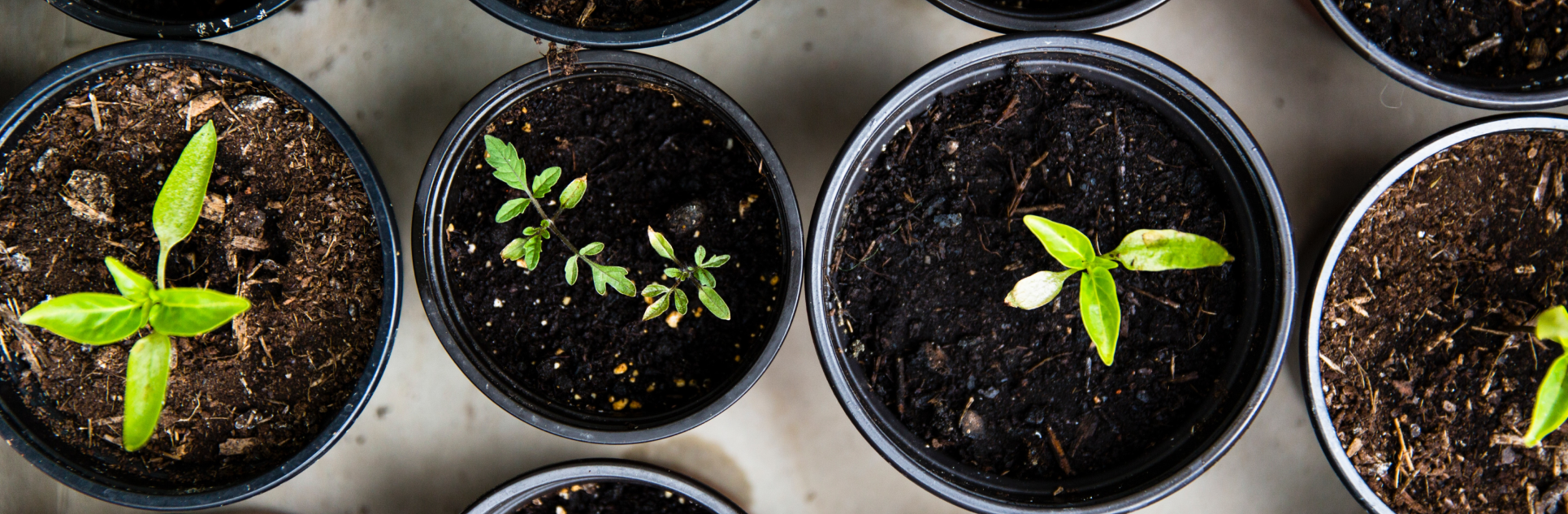
You do not need a big yard to start a garden. Even a small balcony, patio, or sunny windowsill can be enough. Growing your own fruits, vegetables, and herbs can be good for your body and your mind.
Many people around the world do not eat enough fruits and vegetables. The World Health Organization suggests eating at least five servings a day. A small garden can make it easier to reach this goal. Here are some of the ways gardening can support your health.
Fresh, Healthy Food
A garden gives you fresh food close to home. Tomatoes, leafy greens, and herbs are easy to grow in small spaces. These foods are full of vitamins and minerals that help keep your body strong. Studies show that people who garden tend to eat fruits and vegetables more often than people who do not.
Less Stress and a Calmer Mind
Spending time with plants can help you relax. Caring for plants and watching them grow can bring a sense of calm. In one study, adults who started gardening felt less stress and worry by the end of the season. Larger reviews of many studies have found that gardening is linked to better mood and wellbeing.
Better for the Planet
Growing some of your own food can be good for the earth. Food from your garden does not need to be shipped or wrapped in plastic. You can also turn food scraps into compost, a natural soil booster for your plants. Small steps like these can help cut down on waste.
A Gentle Way to Stay Active
Gardening gets your body moving. Digging, planting, weeding, and picking all use different muscles. It is a gentle form of exercise that can help your strength and flexibility. In one study, new gardeners became more active than people who did not garden.
More Flavor in Your Meals
A small garden lets you cook with fresh ingredients. You can pick herbs and vegetables right before you use them. This adds flavor to your meals and can make it more fun to try new healthy recipes.
Small-scale gardening offers more than a homegrown harvest. It can help you eat better, feel calmer, move more, and care for the planet. Start with a few pots and see how your garden, and your health, can grow.
References
- Litt, J. S., Alaimo, K., Harrall, K. K., Hamman, R. F., Hébert, J. R., Hurley, T. G., et al. (2023). Effects of a community gardening intervention on diet, physical activity, and anthropometry outcomes in the USA (CAPS): An observer-blind, randomised controlled trial. The Lancet Planetary Health, 7(1), e23–e32. https://doi.org/10.1016/S2542-5196(22)00303-5
- Panțiru, I., Ronaldson, A., Sima, N., Dregan, A., & Sima, R. (2024). The impact of gardening on well-being, mental health, and quality of life: An umbrella review and meta-analysis. Systematic Reviews, 13, 45. https://doi.org/10.1186/s13643-024-02457-9
- Vávra, J., Jehlička, P., & Ohno, M. (2025). Do green fingers munch on more fruit and veggies? Health effects of home gardening. Urban Agriculture & Regional Food Systems, 10(1), e70014. https://doi.org/10.1002/uar2.70014
- Wood, C. J., Barton, J., & Wicks, C. L. (2025). Effectiveness of social and therapeutic horticulture for reducing symptoms of depression and anxiety: A systematic review and meta-analysis. Frontiers in Psychiatry, 15, 1507354. https://doi.org/10.3389/fpsyt.2024.1507354
- World Health Organization. (2026, January 26). Healthy diet [Fact sheet]. https://www.who.int/news-room/fact-sheets/detail/healthy-diet
*This content is intended for general information purposes only. It is not intended to be relied upon and is not a substitute for professional health, legal, tax, investment, or financial advice based on your individual conditions and circumstances


